
Restaurants & Dining
A full Friday tells you nothing about a wet Tuesday
Restaurants, bistros, kitchens and quick service. Anyone can fill a Saturday. The covers that decide whether the year works are the ones on a Tuesday in February, and those come from people who have already been in — asked for at the table, at the end of service, with three other tables waiting.
No app download Set up in 30 minutes Cancel any time
Your day, not ours
Where the problem actually sits — and what answers it
The loyalty moment lands at the end of service, not the start
Right when your floor is at its busiest. The Code Generator runs in a browser on the phone already in a server's apron, so a code goes out with the bill and the diner scans it with their own phone camera. Nothing to install at the host stand, and nothing extra to carry to the table.
A table of four is one bill
One code can carry up to seven stamps or more, decided as it is issued, so a party earns what the bill was worth instead of one stamp between four people. Rewards can also carry a minimum-spend condition, which is how you separate a two-course dinner from a coffee and a bun.
Diners want something now, not on the eleventh visit
Rewards can unlock along the way — twenty per cent off the same day at two stamps, a dish at three — so the card is worth carrying before it is finished. A card whose only payout is a free main eleven visits away is a card most people quietly abandon at three.
Stamps get issued wrongly in the middle of service
Of course they do. Stamps can be removed from the Control Panel as easily as they are added, so a mistake at eight o'clock on a Saturday is fixed at the pass rather than becoming a complaint on Monday.
You feed people for years and never get their details
Especially anyone who books through somebody else's platform. Joining your card puts a name, email, mobile number and birthday on a member record that is yours, searchable in the Control Panel by any of them, with a notes field for the allergy or the usual table.
Two sites, and regulars who use both
Every device is bound to a location at setup, so stamps carry the restaurant that issued them while the diner holds one card across the group. Customers see every site on a map in their own app, which is how one restaurant's regulars find out about the other.
Diners will join one. Most restaurants never offer it.
The National Restaurant Association’s Restaurant Technology Landscape Report, covered by the association in April 2024, found that 81% of US adults across all age groups said they would take part in a loyalty program if a favorite restaurant offered one, while 52% said they already take part in one at a restaurant, coffee shop, snack place or deli.
Those are US figures and they are two years old. Read them as a statement about appetite rather than a forecast: willingness is not the constraint here, and it has not been for some time.
What to set up
For restaurants the Code Generator is the method that fits the shape of service. It runs as a web app on a phone or tablet — save it to the home screen, choose the location once — and generates a single-use code, spent as soon as it is scanned. Because the code is generated rather than printed, it can carry several stamps at once, which is the only way “a stamp per twenty pounds on the bill” or “a stamp a head” actually works.
The Control Panel is the front-of-house side: search a member by name, email or mobile, see stamp progress with the reward positions marked on the card, add stamps, remove stamps, and edit the record inline. It opens in any browser, so the terminal already at the host stand is enough.
For quick service, where the pace is closer to a café than a dining room, the Customer Kiosk is worth a look instead — a screen showing a rotating QR code that guests scan themselves, with no staff interaction at all.
Case studies
Programs already running
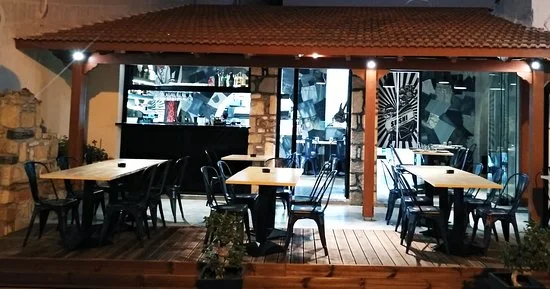
L&M Seafood
Singapore, Singapore
A four-outlet Halal seafood restaurant replaced a troublesome paper stamp card and signed up around 500 members in the first couple of months — with no hardware to buy.
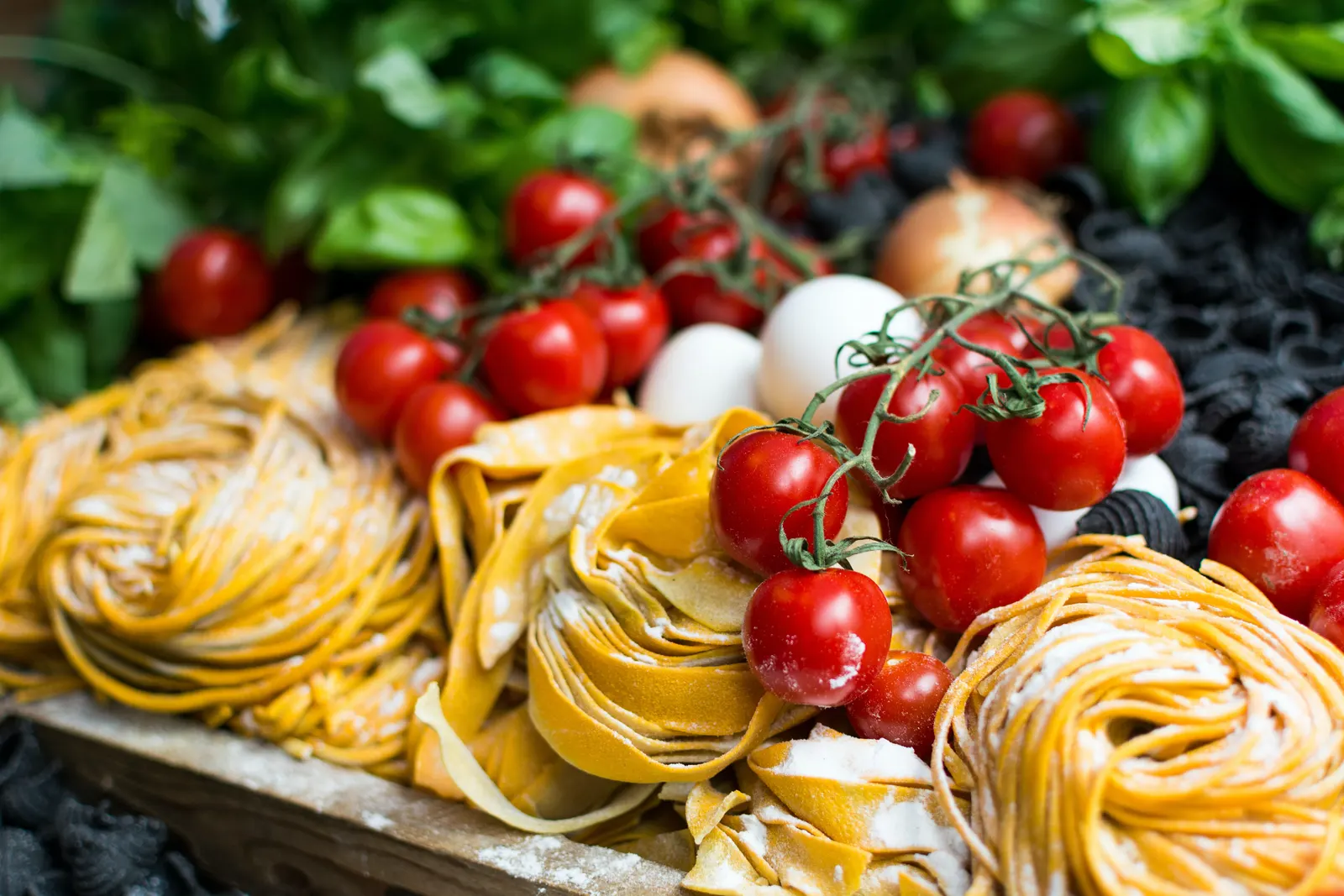
Aglio Olio
Singapore, Singapore
A two-venue Italian restaurant in Singapore running a ten-stamp card with a reward halfway through, plus welcome and birthday rewards.
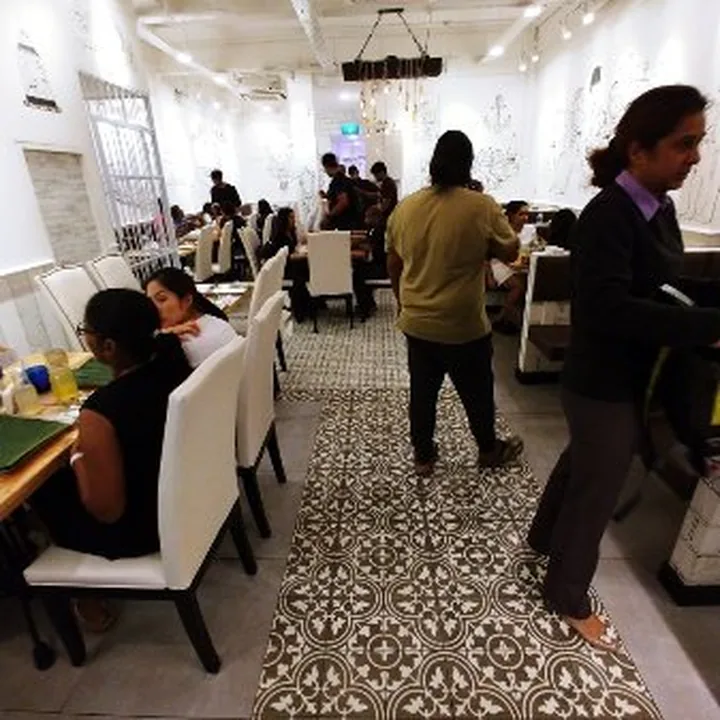
Machan's Kitchen
Singapore, Singapore
A Tamil restaurant in Tekka using a five-stamp card, a $30 voucher reward and email campaigns to bring members back — and to gather customer information it had no way to collect before.
Not your trade?
There are six others
Each one is written the same way — the problem as that business actually experiences it, and the part of the product that answers it.
Get started
US$36 a month. The first 30 days are free.
One price with everything included — no long-term contract, and you can cancel at any time. Billed in your own currency: GBP 26 · CAD 46 · SGD 48 · AUD 48 · NZD 48.
Set up in 30 minutes. Card details required, nothing charged for 30 days. See full pricing.